
Key Takeaways
- Florida hurricane roof preparation helps homeowners spot damage early and strengthen their roofs before peak storm season.
- Loose shingles, water stains, and sagging areas often reveal roof vulnerabilities that worsen during hurricanes.
- Regular inspections and timely repairs reduce costly post-storm damage and insurance complications.
- Cathedral Roofing provides local expertise and tech-driven inspections tailored to Florida’s hurricane conditions.
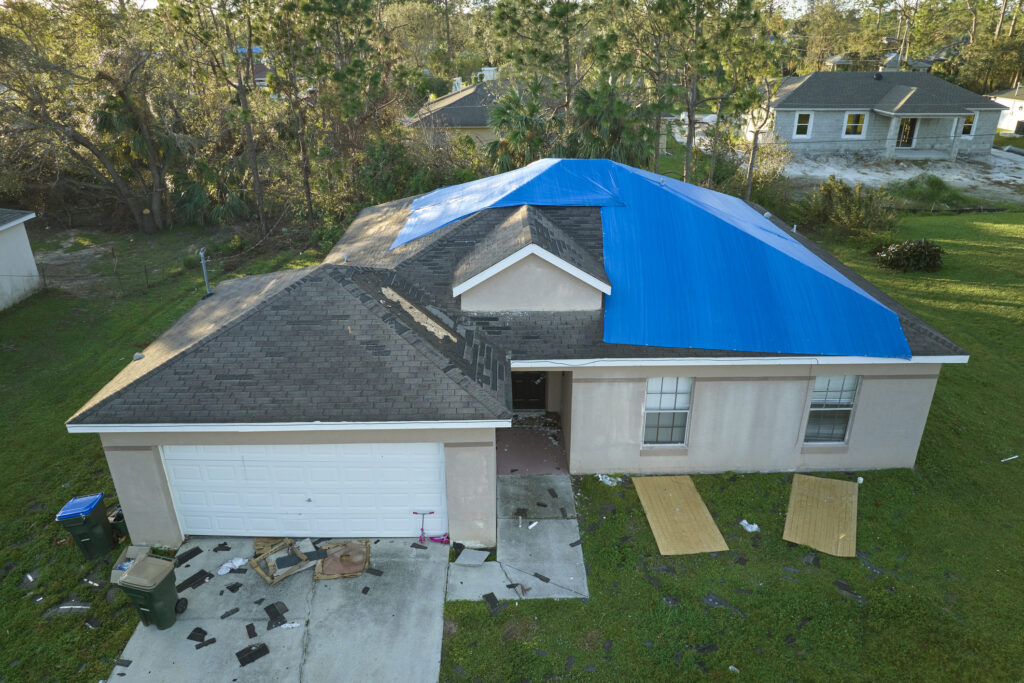
Florida doesn’t get a hurricane season; it gets the hurricane season. Year after year, the state leads the nation in landfalls and billion-dollar weather disasters, with tropical cyclones a huge part of that bill. When you add up the big storms since the 1980s, Florida has been hit by dozens of billion-dollar events — proof that waiting to fix a roof is an expensive gamble.
Your roof is your home’s first line of defense against wind, rain, and flying debris. A sound deck, sealed underlayment, tight flashing, and anchored shingles or tiles protect your home’s structure and everything in it. For Florida hurricane roof preparation, inspections done before the peak months are the simplest way to prevent a small problem from becoming a soaked ceiling or torn-off section of roof. Cathedral’s pre-season inspections are built for that exact peace of mind.
How to Tell When Your Roofing Needs Repair
You don’t need to be a roofer to spot early warning signs, you just need to know where to look. Consider this your homeowner’s field guide on how to tell when your roofing needs repair.
Loose or Missing Shingles/Tiles
If you can see tabs lifting, corners curling, or tiles that shifted after a breezy afternoon, that’s not “normal wear.” Movement creates gaps where wind can get under the system and peel it back during a storm.
Water Stains on Ceilings or Walls
Tea-colored rings after a summer squall mean moisture is getting past the roof covering. Even tiny stains matter; water travels along rafters and nails, so the leak may be feet from the visible mark.
Sagging or Uneven Areas
A dip in the plane of the roof can signal weakened decking or trapped moisture. Soft spots underfoot (if you’re a pro up there) are a red flag that the underlayment or boards need attention.
Rusted Flashing or Fasteners
Corroded metal around chimneys, skylights, or valleys loses its seal, lets water in, and is often the hidden culprit behind “mystery” leaks.
Granules in Gutters/Downspouts
Asphalt shingles shed some grit over time, but a sudden surge of granules collects in gutters and downspouts and exposes the shingle mat to UV, speeding up instances of failure. ‘
If you’re noticing any of the above — or you’re simply unsure — you’re already ahead of most homeowners. The best move is a documented inspection so you can decide whether quick repairs or targeted reinforcements will set you up for the season.
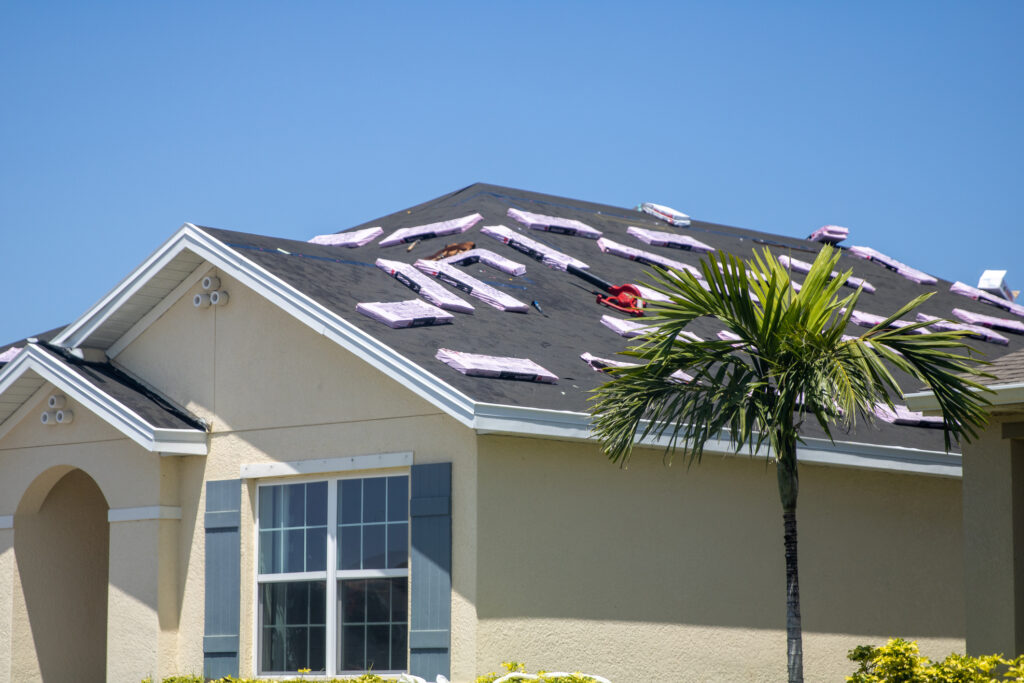
Top 5 Red Flags Before Hurricane Season
These are the issues we find most often in late spring when getting ready for hurricane season becomes urgent.
1. Visible Shingle/Tile Movement in Wind
Stand back during a breezy afternoon. If you can see tabs fluttering or tiles rocking, wind is getting under the covering. That movement stresses nails or screws and makes the whole field easier to lift once gusts hit hurricane speeds. Many products are rated for specific wind resistance (ASTM standards like D3161 and D7158), but those ratings assume proper installation and fastening. If the pieces are shimmying, they’re not anchored as designed.
2. Leaks or Water Stains After Summer Storms
Florida’s afternoon downpours are like a stress test. If you see fresh spots after a routine storm, hurricane-force rain will drive water much farther under edges and along fasteners. Stains often trace back to failed flashing, aged underlayment, or decking nail penetrations that have lost their seal.
3. Gutters Clogged or Pulling Away
Clogs cause water to back up under shingles; pulled-away gutter runs yank on fascia and soffits, opening paths for wind and water. In a storm, clogged gutters become heavy, and loose runs become projectiles. Clearing and rehanging them properly is low-cost prevention with high upside.
4. Daylight Visible Through Attic Roof Boards
Head into the attic on a sunny day. If you see pinholes or lines of light at seams, you may be looking at gaps in the deck or deteriorated underlayment. Light today can be wind-driven rain tomorrow. (While you’re there, check for damp insulation and musty odors.)
5. Mold or Soft Spots on Decking/Underlayment
Dark staining, mildew odor, or wood that gives under pressure are signs moisture has been around for a while. Those areas don’t “tough it out” in a storm; they fail faster and wider. Correcting this before peak season protects the structure and, if needed, gives you time to document conditions for insurance.
How to Make Your Roof Hurricane Proof
Let’s be honest: No roof is truly hurricane-proof — but you can meaningfully close the risk gap. Here’s how to make your roof hurricane proof in practical, inspector-approved steps:
Re-Secure Fasteners Where They Matter Most
Reseating nails or upgrading to ring-shank/longer fasteners at critical zones (eaves, rakes, and ridges) boosts uplift resistance. At the deck, adding fasteners to meet current spacing in your area can tighten the system dramatically.
Reinforce Underlayment and Seal the Deck
Self-adhered membranes (often required in Florida’s high-velocity zones) create a secondary water barrier if shingles or tiles are compromised. A sealed deck helps stop wind-driven rain that sneaks under the covering. Always match materials to code and manufacturer specs.
Upgrade Roof-to-Wall Connections (Clips/Ties)
Metal hurricane clips and straps help the roof structure stay attached to the walls — a critical line of defense when uplift loads spike. Even in existing homes, retrofits can improve performance by tying rafters to top plates and walls.
Consider Impact-Rated Coverings
Impact-resistant shingles (UL 2218/“Class 4”) and tested high-wind assemblies give you a fighting chance against debris and gusts, especially when paired with proper starter, ridge, and edge details. Tile and metal systems also perform well when installed to spec with the right underlayment stack.
Edge Metal and Flashing Upgrades
In many storm failures, wind grabs at the edges first. Upgrading drip edge, apron, and step flashing to code-compliant, well-fastened components locks down those vulnerable seams. (FEMA and Florida Disaster guidance emphasize edges and overhangs for a reason.)
Cathedral’s maintenance program pairs these upgrades with tech-driven inspections — think drone imagery, moisture scanning, and photo-documented punch lists — so you get a clear plan that fits your budget and timeline.
What to Do If You Already Need Repairs
If you’re seeing active leaks, missing pieces after a storm, or ceiling damage, here’s your calm-in-the-chaos playbook:
- Protect what you can today. Place a tarp over the immediate leak area (from ridge to past the eave, with secure edge fastening), move valuables, and set out containers to catch drips. Photos and short phone videos before/after the tarp go a long way later.
- Document everything. Take wide shots, then close-ups of damage, roof edges, flashing, and any interior staining. Save receipts for tarps or temporary dry-out, as insurers often accept reasonable mitigation costs.
- Call for help that answers 24/7. For emergency roof repair in Florida, Cathedral’s rapid-response team can stabilize the situation, create a repair plan, and provide the documentation your carrier expects (including drone imagery when weather allows). We coordinate with adjusters so you’re not stuck translating roofing terms into insurance-speak.
The goal is to stop the immediate intrusion, prove the pre-existing condition, and chart the fastest path to a durable fix — ideally before the next band of storms spins up.
Need emergency roof repairs?
The Cost of Waiting vs. the Value of Prevention
Most pre-season fixes are measured in hundreds to low thousands; post-hurricane rebuilds are measured in tens of thousands — sometimes more when water travels through walls and ceilings. National and state data show that hurricanes routinely rack up multi-billion-dollar losses; individual households feel that as deductibles, higher premiums, and months of disruption.
Prevention also pays in predictability. Cathedral offers financing options so you can handle smart upgrades now rather than emergency overhauls later. Add manufacturer and workmanship warranties, and you’ve converted surprise risk into planned maintenance and protected value.
Why Choose Cathedral for Hurricane Prep
Local experience you can see on the map
For nearly 20 years, our crews have worked the Gulf side — Naples, Fort Myers, Sarasota, Marco Island, Estero — through blue-sky months and the longest storm weeks. We’re proud of our local recognition, including a trusted “top-3 in Naples” honor backed by homeowner reviews.
Tech-First Inspections, Straight Talk
Drones for hard-to-reach slopes, moisture detection for the “dry” leaks, and AI-assisted estimating tied to real photos — all delivered in a plain-English report with clear next steps. No mystery line items, no scare tactics.
Built for Florida Codes and Conditions
From sealed decks and HVHZ underlayments to wind-rated shingles and tile fastening patterns, our team works to current Florida Building Code and manufacturer specs. These are the details that keep coverage valid and systems tight when it matters most.
Warranties and Maintenance That Actually Help
Strong manufacturer options, workmanship protections, and scheduled check-ups mean your roof doesn’t have to age alone — and you don’t have to climb a ladder to know what’s happening up there.
Schedule your hurricane-season roof inspection today. We’ll document what’s sound, flag what’s vulnerable, and give you a plan to button it up before peak season.
Quick FAQ (For the Busy Homeowner)
What month should I schedule an inspection?
Early spring is ideal, but any time before peak activity is better than waiting. Afternoon storms make great “practice” weather to catch minor leaks.
Can you really spot problems from the ground?
You can spot symptoms — lifted edges, missing pieces, sagging planes — but a proper inspection checks the attic, flashing, fasteners, and deck. That’s where many failures start.
Do upgrades lower insurance costs?
Improvements like clips/straps, sealed decks, and impact-rated systems can help — and programs like My Safe Florida Home outline exactly which upgrades strengthen your structure. Check with your carrier for credits.
 Call Now